
Back in April, Burn Energy invited Black Rhino Radio to take part in IMS Ibiza 2026. The conference, gathering important stakeholders of the electronic music industry from the 22nd until the 24th of April, took place at the Mondrian & Hyde hotels in Ibiza, with satellite parties and events across the island.
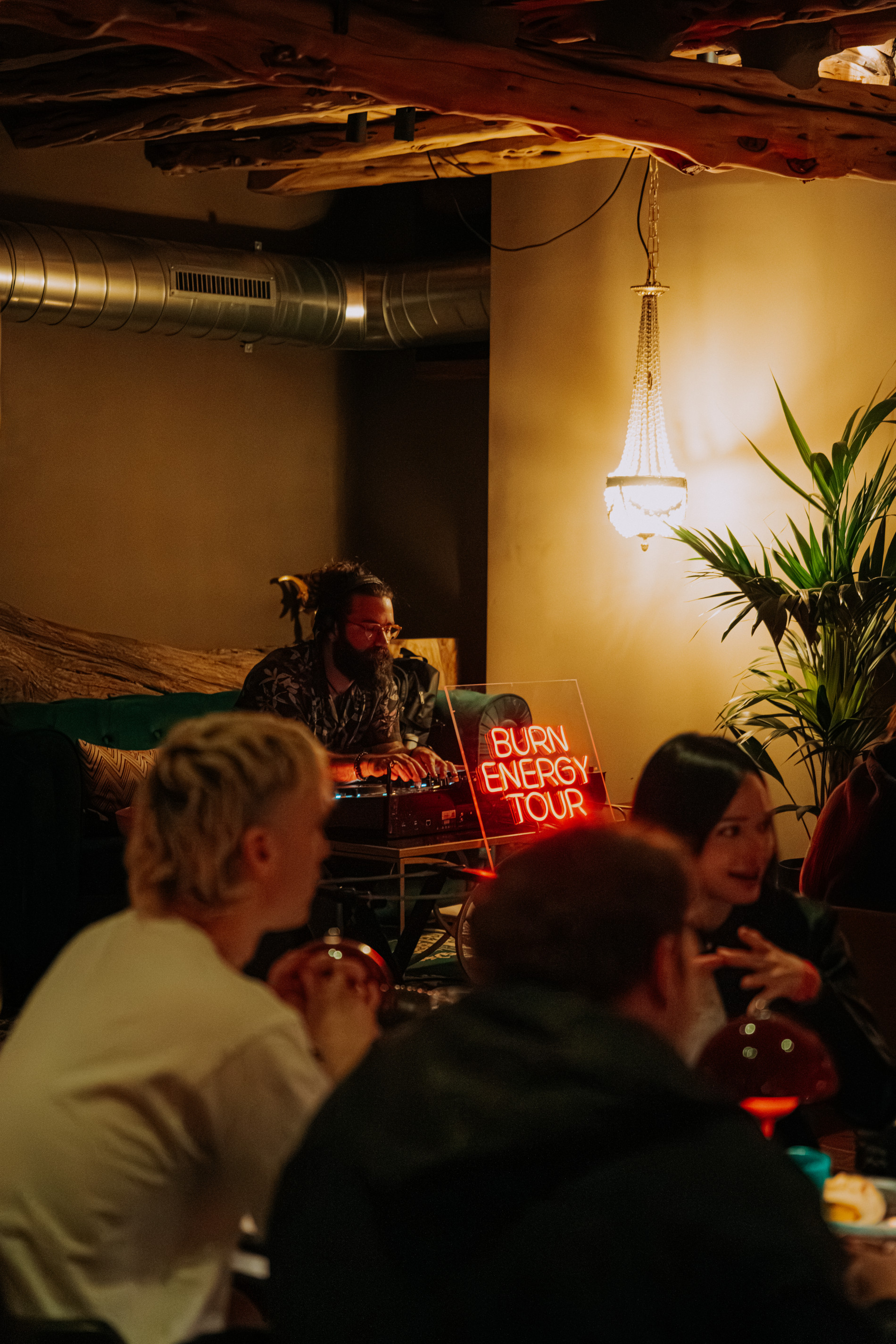
We flew in from Bucharest to meet members of the Burn Energy Tour from Poland, Hungary, Lithuania, Norway, and Spain, while also taking part in the International Music Summit, which had RECLAIM THE DANCEFLOOR as the theme for this year’s edition.
Several panels caught our eye, with topics ranging from underground culture to music business and management.

The first discussion, presented by Burn Energy, saw Bekefi, Dr. Rubinstein, and Theo Nasa talking to the moderator, Jaguar, about Documenting Dancefloors. The panel navigated what it means to capture a moment responsibly, balancing socio-political realities with storytelling, supporting communities, and how to safeguard the past while strengthening the future – all without filming on your phone.
More on the business side, Frank Klein, Oliver Brown, Paula Quijano and Steph Moran spoke to Katie Bain about Independent Management and Building a Global Career Without the Machine. Their outlook was optimistic, noting how attention spans are expanding again and the scene is coming full circle both in terms of music and in terms of the do-it-yourself, community engagement mentality. “Data might be great, but the way you engage with communities is much more important” said one of the panelists.
Our favourite talk, however, was on the topic of The Power of Electronic Music Radio in 2026. The panel saw names from companies such as Bandcamp and Apple Music chatting to moderator Danny Howard on the context and importance of such stations in today’s digital environment.
The guests spoke on how, despite electronic music radios being rather inaccessible to many in the past, the rise of streaming, radio, and fast internet now means that small community stations can thrive across the world. Before this, new DJs did not have a lot of space on major broadcasting channels, yet now, with stations building real communities around music, artists have more opportunities.
Emily Dust observed that electronic music is not as niche as it seems. She mentioned how stations such as NTS can have millions of followers despite playing obscure music, pointing at the idea that where there is passion, there is also an audience. On the other hand, she also spoke about the struggles of such radio stations, particularly in terms of having to find alternative funding sources, and the importance of finding sustainable ways to support them.
At The Intersections: Voices Shaping Electronic Music Culture was yet another interesting talk, with guests such as Natalie Wade, Sunita Dhaliwal, and Ashraf Ejjbair. It presented the legacy of electronic music, with a focus on technology’s impact on it and its perception. Electronic Beats editor Whitney Wei’s put it best: “Encountering electronic music through social media, we don’t see the legacy or history behind it.”
Lastly, we attended a panel centered around Building Infrastructure Outside of the Mainstream. During it, Alex Nikolov, Jaguar and Manuka Honey spoke to moderator Frankie Wells of the importance of the underground. “It’s where it all starts in terms of genres, relationships, and communities. Nothing is going to take away what is going in in the underground”, said Jaguar. Nevertheless, the guests also touched on how dance music has expanded incredibly, yet artists and communities are still struggling due to the scene being more saturated.
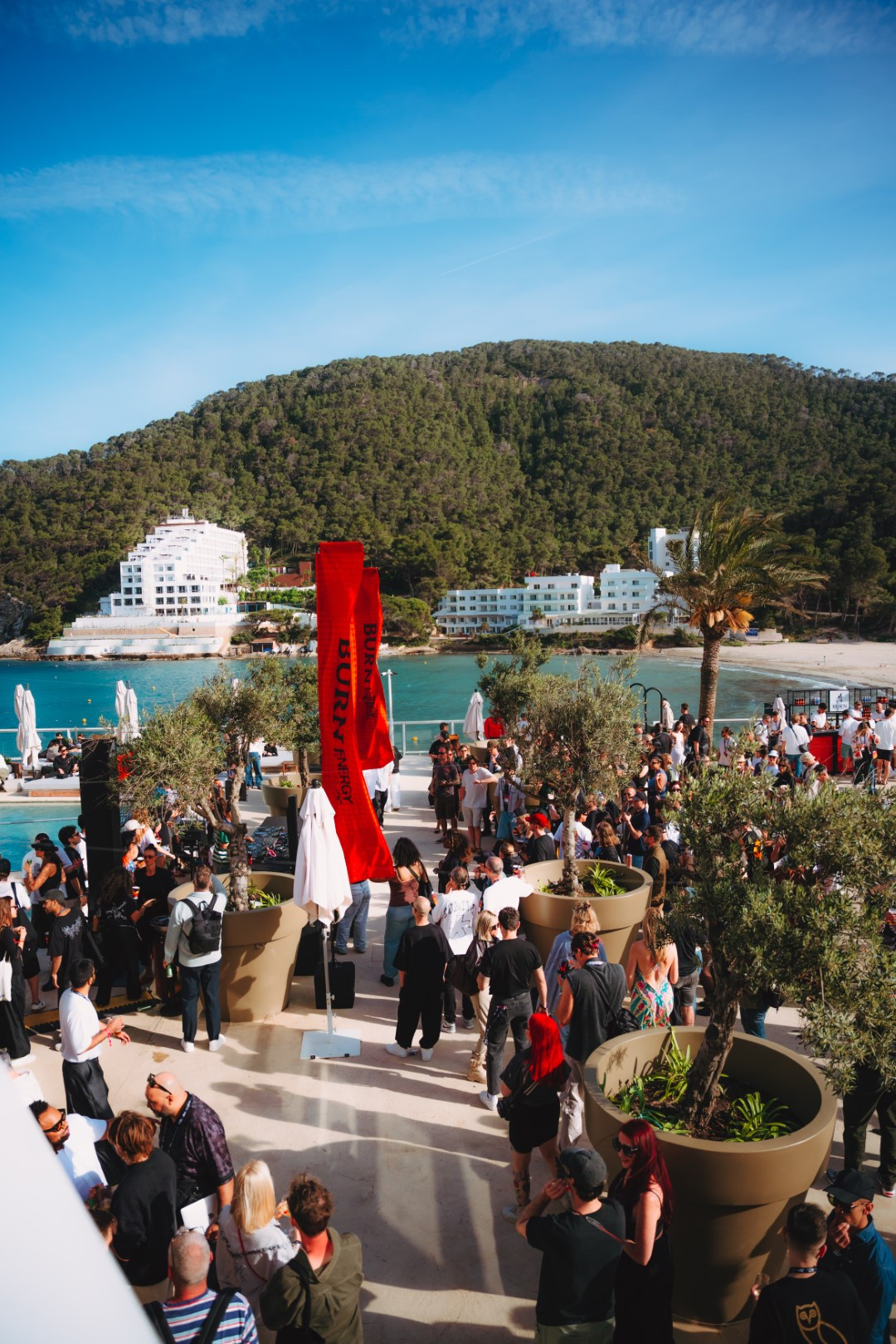
We got to unwind after the long day of talks with a DJ set from Theo Nasa, and we received the freshly-released IMS Electronic Music Business Report 2025/6 – an annual study of the electronic music industry by Mark Mulligan and MiDIA Research for IMS Ibiza.
Here’s some of our takeaways from it:
2025 showed continued growth in recorded music, publishing, and streaming. Live music’s acceleration was also evident, with such events pushing far beyond pre-Covid highs.
While countries like Germany remain the biggest markets for electronic music, the Global South, particularly Latin America, is catching up.
Socially, electronic music fans consider real-life connection and shared activities important, highlighting the importance of communities in such scenes.
In terms of genres, Beatport data shows that tech-house, house, and melodic techno still reign supreme, with drum and bass following closely in fourth position. At the same time, producers are locking in on afro house, as the genre’s Splice samples are outperformed only by trap.
TikTok is becoming a key platform for electronic music discovery. Despite this acceleration of consumption leading to fewer electronic music hits in global charts, dance music holds on to its market share.
